

This spellbinding structure hides among low hills and grasslands on six thousand hectares of land in South Africa. Coromandel was designed by the famous Italian architect and industrial designer Marco Zanuso in 1975. It was commissioned by Sydney Press, founder of the former Edgar’s group, and one of the foremost businessmen of the century. He transformed Edgars Stores from its humble beginning in a small shop in Cape Town in the 1930s, into a giant corporation by the 1960s.
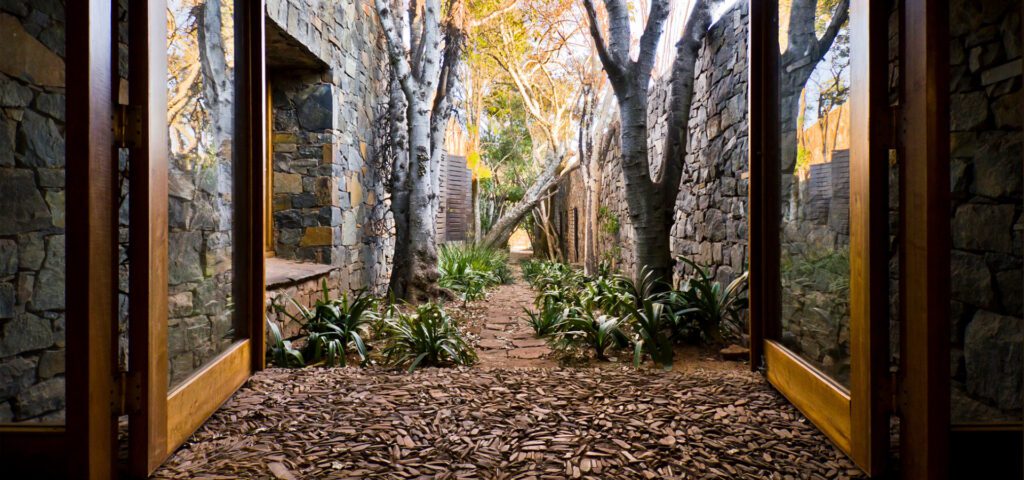
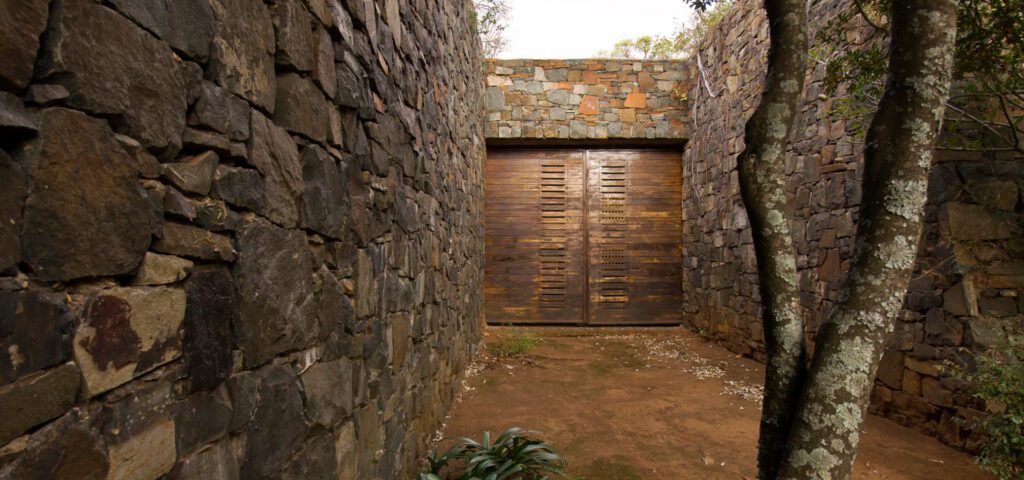
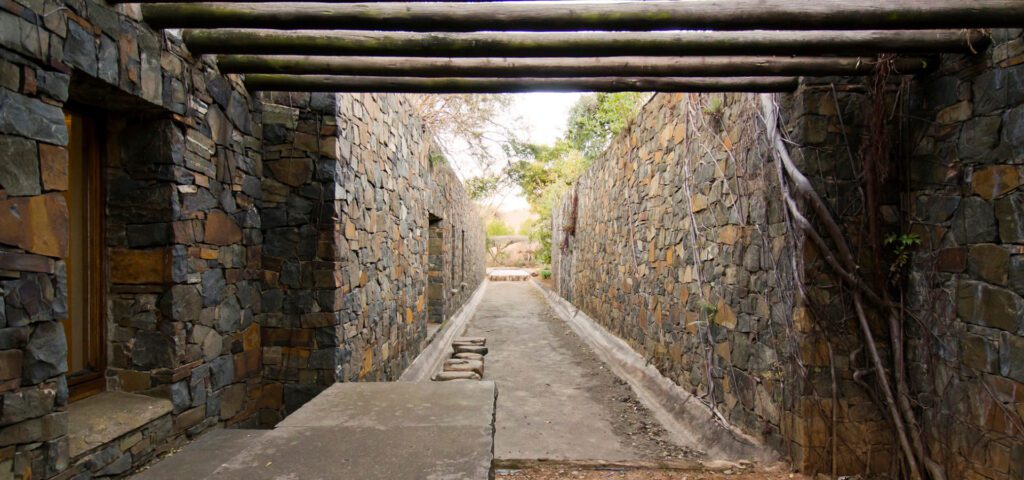
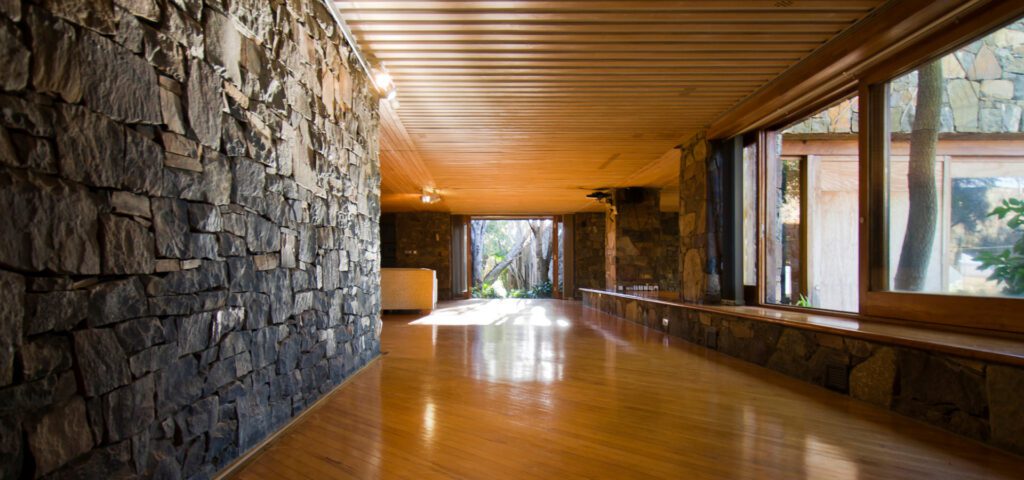
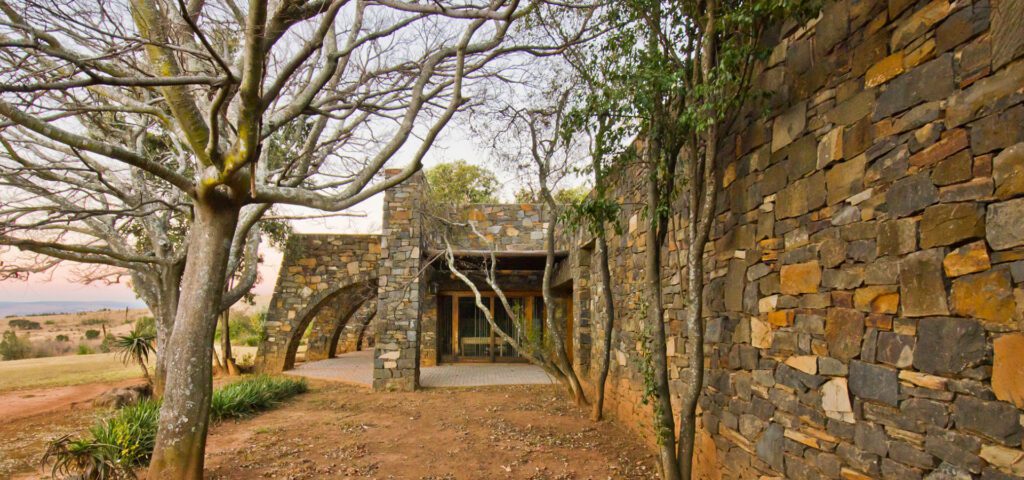
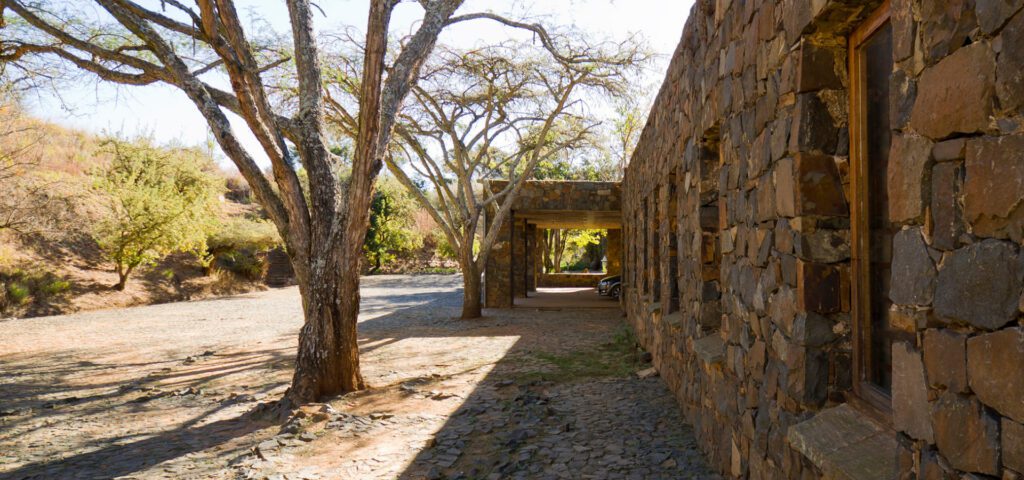
A long, winding driveway approaches the house, through trees set against a backdrop of dolerite stone walls. Conceptually, the house reflects the qualities of an Italian town. There’s a public piazza in the centre with narrow walkways leading to the private spaces. The entire structure is tied together by a living earth roof supported by reinforced concrete and planted with indigenous and endemic flora.
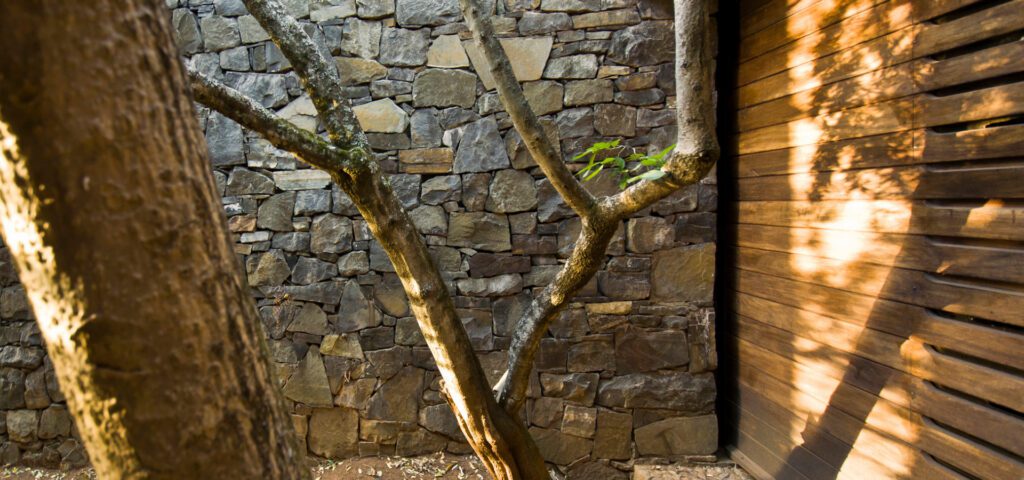
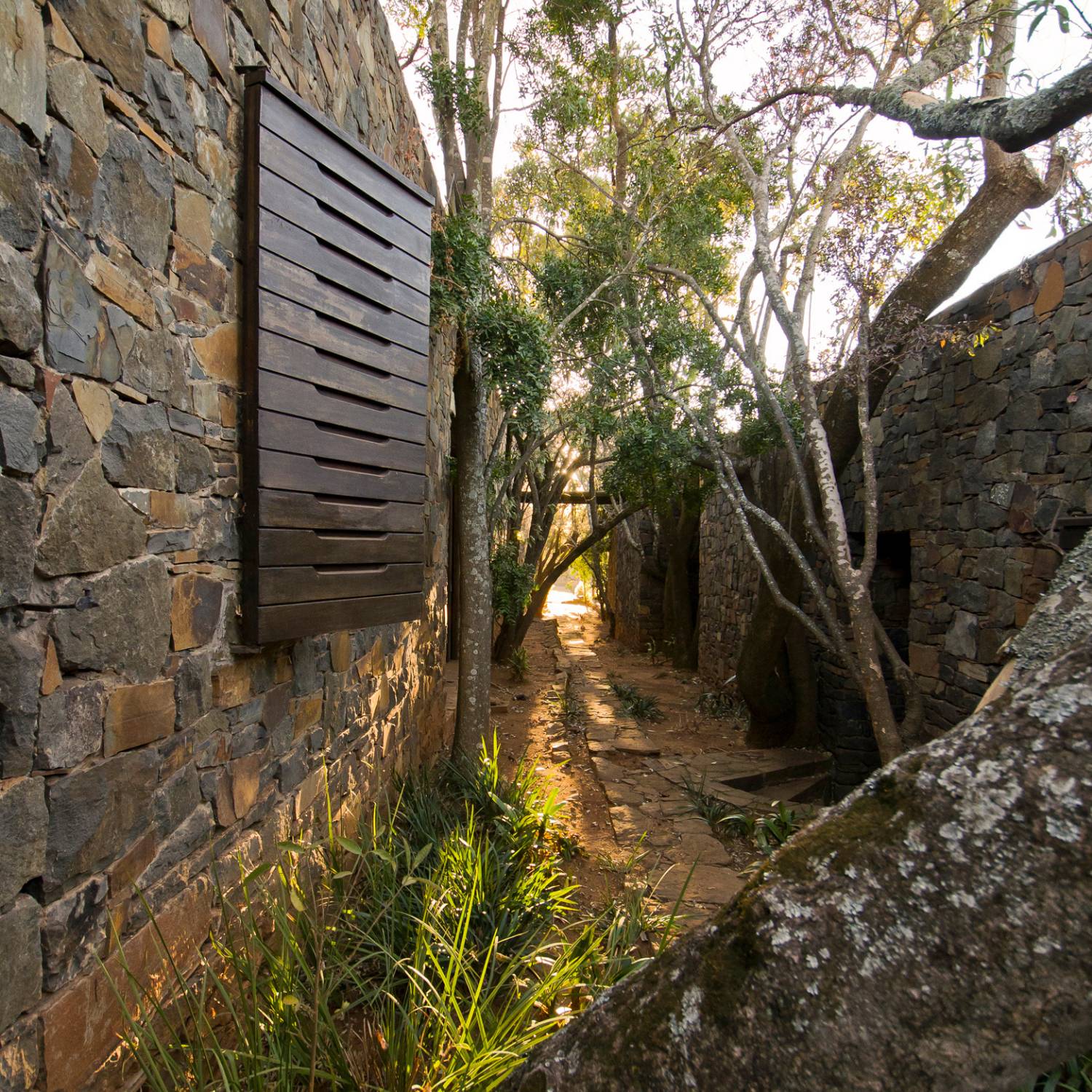
Belgium-based architectural photographer Dewald van Helsdingen kindly provided these photos which he shot decades after the family had left this extraordinary home. The images frame nature’s inexorable reclaiming of stone and wood. Roots weave nets over stonework and wrap around window sills; shoots inch through paving towards the light. The effect is like stumbling upon some ancient relic of a lost civilization.


Coromandel Farm
Sydney Press had broad-ranging personal interests. He bred and raced horses that were stabled in an architect-designed complex overseen by GAPP architects in Johannesburg. He was president of the Tree Society of Southern Africa, loved photography, speed reading, theatre, travel and collecting art, but of all his interests Coromandel was his passion project founded on his dream of creating the best model farm in the country. He made huge inroads towards that goal. Coromandel had the first blueberry orchard in South Africa; it produced maize, beans, sunflowers, olives, cattle, and boasted the biggest Holstein dairy herd in the region. It also consumed immense investments of time and funding.

Marco Zanuso
For the farmhouse, he engaged Marco Zanuso, whose work he and his wife Victoria admired. The Italian designer was surprised they’d heard of him because he was known in Italy for his industrial designs, but not domestic ones, and he’d never worked in Africa. Zanuso’s contemporaries in the ’70s were a group of Italian architects and academics at the forefront of design and a movement toward ecologically conscious buildings. Press would later engage Zanuso to design Edgardale, his company’s Johannesburg headquarters at 1 Press Avenue, Crown Mines which later passed to Edcon and eventually fell into bankruptcy post-1994. The building remains Zanuso’s only industrial building in Africa. It bears his distinctive signature and helped pioneer the aesthetic that rose to the fore in his era.

Zanuso’s design for Coromandel called on his Italian sensibility, translated to an African setting, with the use of local materials. He spent a great deal of time riding and walking the land to form a response to place. He observed,
“There is really too much sun, heat and glare so the structure must provide copious shade, coolness, greenery and water. The atria should be delicately narrow like the streets of Rome, always in the shade.”
Following Press’ divorce, his ousting from Edgars amidst ill-health, combatting a lawsuit to gain control of the family trust, and finally his death in 1996, the Coromandel Estate into which he’d poured so much, lost momentum. The property passed to new ownership following a post-1994 land claim and fell into tragic disrepair.

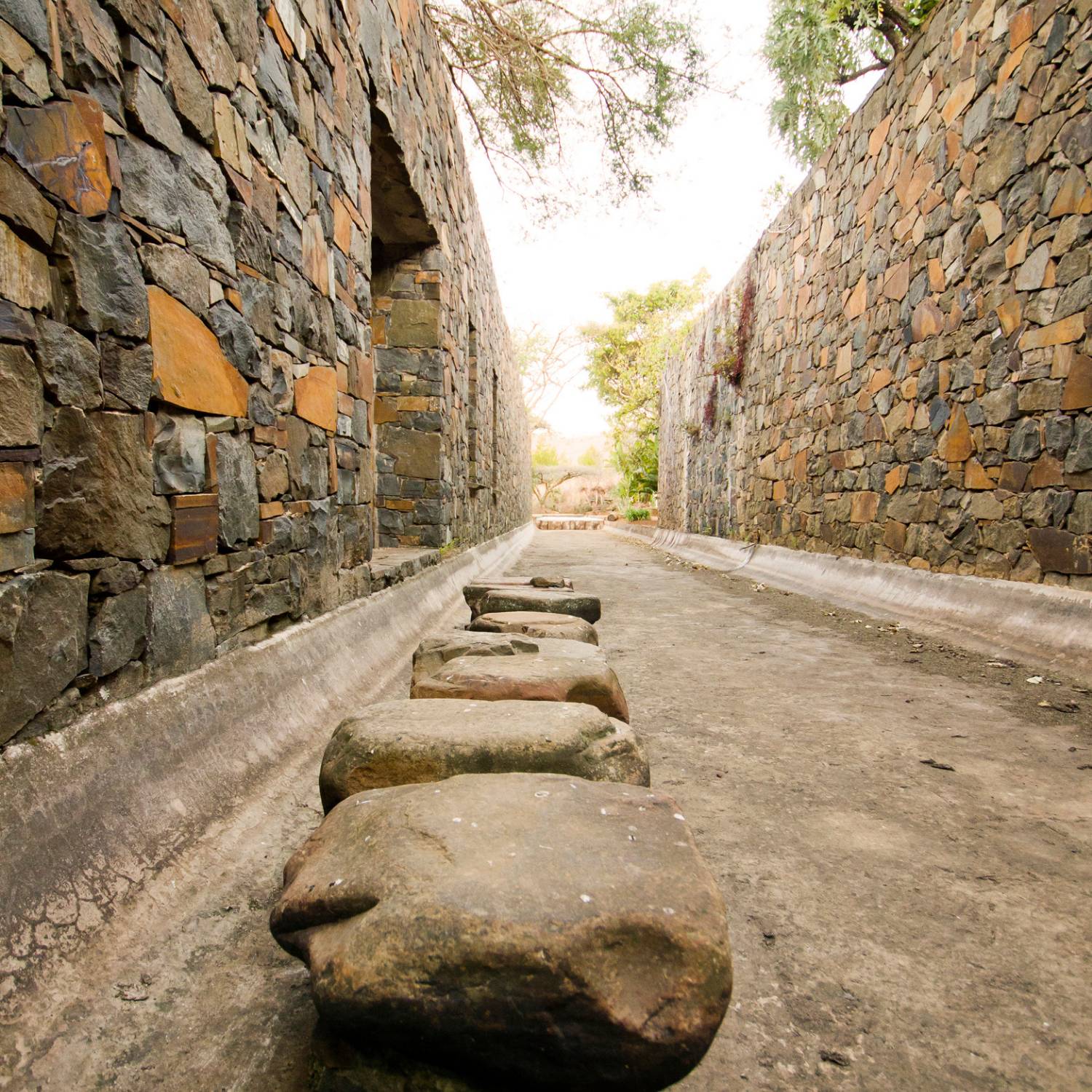
As an architecturally important work, and the only Zanuso house in Africa, efforts to save the property from certain total collapse are ongoing, led by Sydney Press’ daughter Suzanne Press. Her team of advisors includes the architect and academic Edna Peres (Architect Ph.D). Images Dewald van Helsdingen